

Automatic Sliding Door Price in India: Factors That Affect the Final Cost
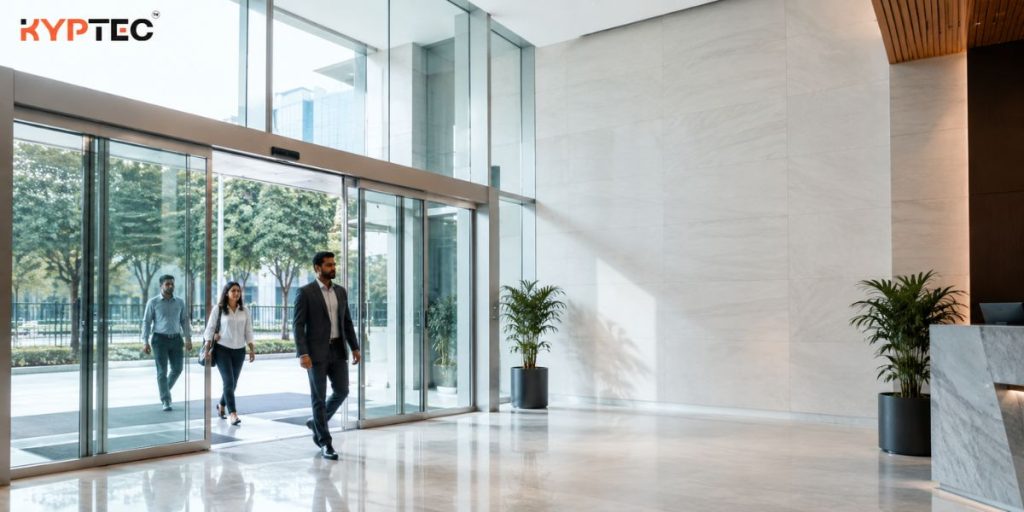
Automatic sliding doors are widely used in commercial buildings, hospitals, hotels, retail stores, offices, and residential projects. They offer convenience, improve accessibility, and create a professional entrance experience. However, many buyers searching for an automatic sliding door price in India often assume that every system costs the same. In reality, the final cost depends on several factors, including door size, automation technology, safety features, and installation requirements.
Understanding these factors can help you choose the right solution based on your property’s needs and long-term goals.
Door Size and Dimensions
The size of the entrance is one of the biggest factors that affects the final cost. A wider opening requires larger door panels, stronger tracks, and a more powerful motor to ensure smooth operation.
For example, a small office entrance may need a simple sliding door system, while a shopping mall or hospital entrance often requires larger doors designed to handle continuous traffic. As the door size increases, the materials and automation components required also increase.
Material Used in the Door
Automatic sliding doors are available in different materials, with glass and aluminum being the most common options.
Glass doors are popular because they create a modern and welcoming appearance. Depending on the project, tempered glass, laminated glass, or other safety glass options may be used. The quality and type of material selected can influence the overall investment.
Choosing durable materials often provides better performance, safety, and long-term reliability.
Quality of the Automation System
The automation system is the core component of any automatic sliding door. It includes the motor, controller, sensors, and operating mechanism.
Higher-quality systems are designed for smooth operation, lower maintenance requirements, and longer service life. They are especially important for locations with heavy daily traffic, where doors need to open and close thousands of times each month.
A reliable automation system may involve a higher initial investment but can reduce maintenance issues over time. Businesses looking for a complete entrance solution often compare different commercial door systems before making a decision.
Expected Traffic Volume
The number of people using the entrance each day also affects the type of door system required.
A door installed in a small office experiences far less usage than one in a hospital, retail store, or commercial complex. High-traffic locations require stronger motors and durable components capable of handling frequent operation.
When selecting a system, it is important to consider both current and future usage requirements.
Safety Features
Modern automatic sliding doors include various safety features designed to improve user protection and operational efficiency.
Common safety features include:
- Motion sensors
- Presence detection sensors
- Obstacle detection systems
- Safety beams
- Emergency opening functions
These features help prevent accidents and ensure smooth operation in busy environments. Advanced safety technology can influence the final cost but provides significant value in terms of user safety and compliance.
Custom Design Requirements
Every building has different design preferences and functional requirements. Some businesses require standard entrance systems, while others prefer customized solutions that match their branding or architectural style.
Customization may include:
- Special glass finishes
- Unique frame designs
- Custom dimensions
- Advanced operating functions
The more customized the solution, the more planning and manufacturing work may be involved. In projects where space optimization is important, property owners may also consider automatic swing doors as an alternative option.
Installation Conditions
Installation plays an important role in determining the overall project cost. A straightforward installation in a new building is usually simpler than upgrading an existing entrance.
Factors that may impact installation include:
- Site accessibility
- Structural modifications
- Electrical connections
- Existing building layout
- Integration with other entrance systems
A proper site inspection helps identify these requirements before installation begins.These advantages make them an important part of modern smart entrance automation solutions.
Maintenance and Service Support
When evaluating an automatic sliding door, it is important to look beyond the initial installation. Regular maintenance helps keep the system operating smoothly and extends its lifespan.
Before making a decision, consider factors such as spare part availability, warranty coverage, and after-sales support. Reliable service support can help prevent unexpected downtime and ensure long-term performance. Businesses managing larger facilities often combine entrance automation with solutions such as automatic gate systems for better access control and security.
Conclusion
The final cost of an automatic sliding door in India depends on several factors, including door size, material quality, automation technology, safety features, customization requirements, installation complexity, and maintenance support. Instead of focusing only on the initial price, businesses should consider the overall value and long-term benefits the system provides.
A well-designed automatic sliding door improves accessibility, enhances the appearance of a property, and delivers reliable performance for years. At KYPTEC, we believe that the right entrance solution should be selected based on operational requirements, safety needs, and long-term efficiency rather than price alone. Evaluating these factors carefully can help businesses make a smarter investment and achieve better results from their entrance automation system.
FAQs
1. What factors affect the cost of an automatic sliding door in India?
The cost of an automatic sliding door depends on several factors, including door size, material quality, automation system, safety features, customization requirements, installation complexity, and maintenance support.
2. Are automatic sliding doors suitable for commercial buildings?
Yes, automatic sliding doors are widely used in offices, hospitals, hotels, shopping malls, and other commercial buildings because they improve accessibility, convenience, and traffic flow.
3. Do larger automatic sliding doors cost more?
Generally, larger door openings require bigger glass panels, stronger tracks, and more powerful motors, which can increase the overall project cost.
4. How important are safety features in an automatic sliding door system?
Safety features such as motion sensors, presence sensors, obstacle detection, and emergency functions help ensure smooth and secure operation, especially in high-traffic environments.
5. What should businesses consider before choosing an automatic sliding door?
Businesses should evaluate factors such as expected traffic volume, building design, safety requirements, energy efficiency, maintenance support, and long-term operational needs rather than focusing only on the initial cost.