

How to Choose the Right Boom Barrier for Your Property
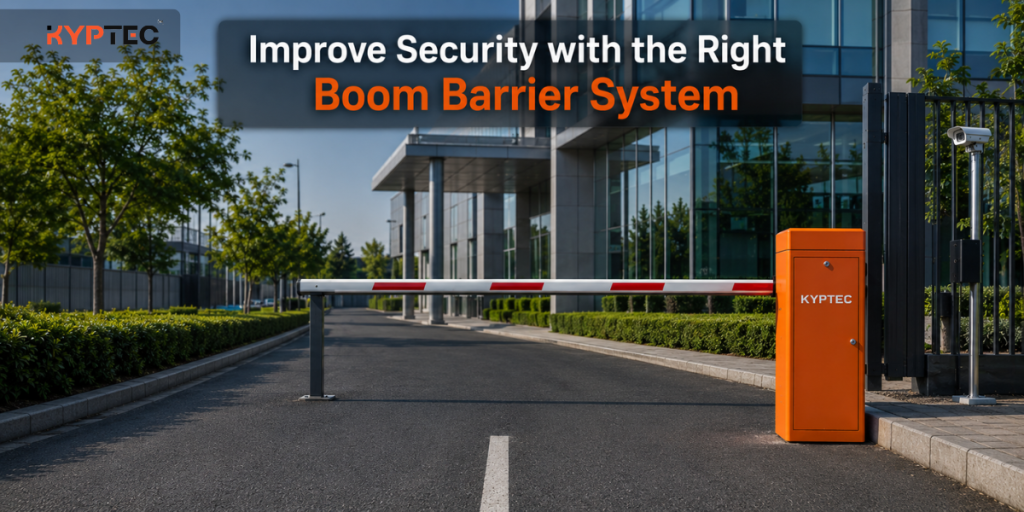
Introduction
Controlling vehicle access is an important part of modern security management. Whether you manage a residential society, commercial building, warehouse, factory, or parking facility, the right boom barrier can help improve security, regulate traffic, and reduce unauthorized entry.
However, not all boom barriers are designed for the same purpose. Factors such as traffic volume, installation environment, operating speed, and security requirements can significantly impact your decision. Investing in the right solution ensures smooth operations while helping you avoid unnecessary maintenance and replacement costs in the future.
This guide explains the key factors you should consider when selecting a boom barrier for your property.
Identify the Purpose of the Boom Barrier
The first step is understanding why you need a boom barrier. Different properties have different access control requirements, and selecting a system without clearly defining its purpose can lead to poor performance.
A boom barrier may be used for:
- Vehicle access control
- Parking management
- Industrial security
- Residential society entrances
- Commercial property protection
For example, a busy commercial complex may require a faster and more advanced solution than a small residential community. Understanding the intended purpose helps narrow down the available options and ensures you invest in a system that matches your operational needs.
Understand Your Security Requirements
Security should always be a major consideration when choosing a boom barrier. Some locations simply need basic vehicle control, while others require advanced monitoring and restricted access.
Consider the following questions:
- Who will be entering and exiting the property?
- Do visitors need temporary access?
- Is unauthorized vehicle entry a concern?
- Will the barrier work alongside existing security systems?
A clear understanding of your security requirements will help determine the level of automation and access control features needed for your property.
Analyze Vehicle Traffic Volume
Vehicle traffic directly affects the type of boom barrier you should install. A system that handles a few vehicles per hour may struggle in a facility that experiences heavy traffic throughout the day.
Before selecting a boom barrier, evaluate:
- Daily vehicle movement
- Peak-hour traffic conditions
- Entry and exit frequency
- Expected waiting times
Properties with high traffic volumes often benefit from a high speed boom barrier because it reduces congestion and improves operational efficiency. Faster opening and closing speeds can make a significant difference in busy environments.
Consider the Installation Location
The installation environment plays an important role in the overall performance of the boom barrier. A solution suitable for indoor use may not perform effectively in outdoor conditions.
When evaluating the installation location, consider:
- Available space
- Road width
- Ground conditions
- Exposure to weather
- Nearby structures
Proper planning ensures the barrier functions smoothly and minimizes the risk of installation challenges later. It also helps determine the ideal barrier size and configuration.
Choose Between Automatic and Manual Boom Barriers
Boom barriers are generally available in manual and automatic versions. While manual systems are still used in some low-traffic locations, automatic solutions have become the preferred choice for most modern facilities.
Manual boom barriers are suitable for:
- Small properties
- Temporary installations
- Low-traffic areas
Automatic boom barriers are ideal for:
- Commercial buildings
- Industrial facilities
- Parking management systems
- Residential communities
A motorized boom barrier offers greater convenience, faster operation, and improved security, making it a practical long-term investment for most properties.
Choose the Appropriate Boom Arm Length
The boom arm is the visible barrier that controls vehicle access. Selecting the correct arm length is essential for effective operation.
If the arm is too short, vehicles may bypass the restricted area. If it is too long, it may create unnecessary strain on the system.
Before purchasing, measure:
- Lane width
- Entry and exit points
- Vehicle movement area
Choosing the right boom arm length improves safety, ensures proper coverage, and helps maintain smooth vehicle movement.
Look for Smart Access Control Integration
Modern boom barriers are increasingly integrated with smart access control technologies. This allows property owners to manage vehicle entry more efficiently while improving security.
Common integration options include:
- RFID systems
- Access cards
- License plate recognition
- Mobile-based access control
- Visitor management software
These features reduce manual intervention and create a more organized access management process. They are particularly useful for commercial properties, corporate offices, and industrial facilities where vehicle movement needs to be monitored closely.
Weather Protection and Outdoor Performance
If your boom barrier is installed outdoors, weather resistance becomes a critical factor. Constant exposure to rain, dust, heat, and humidity can affect performance if the equipment is not designed for outdoor use.
Look for features such as:
- Corrosion-resistant housing
- Dust protection
- Water-resistant components
- UV-resistant finishes
A weather-resistant boom barrier typically requires less maintenance and delivers more reliable performance throughout its service life.
Compare Quality, Reliability, and Performance
Many buyers focus heavily on price, but long-term reliability is often more important. A low-cost system that frequently breaks down can become more expensive over time than a higher-quality alternative.
When comparing products, pay attention to:
- Build quality
- Motor performance
- Product certifications
- Warranty coverage
- Operational lifespan
Working with an experienced boom barrier manufacturer India can help ensure that you receive a product that meets industry standards and performs consistently under daily use.
Compare Installation and Maintenance Costs
The total cost of a boom barrier extends beyond the purchase price. Installation, servicing, and maintenance expenses should also be considered during the decision-making process.
Factors that can influence costs include:
- Electrical requirements
- Installation complexity
- Availability of spare parts
- Service support
- Routine maintenance needs
Understanding these costs in advance helps avoid unexpected expenses and provides a clearer picture of the system’s long-term value.
Determine Your Budget and Long-Term Value
Budget planning should focus on overall value rather than simply selecting the cheapest option available. A high-quality boom barrier may require a larger initial investment, but it often delivers lower maintenance costs and a longer service life.
A good investment should provide:
- Reliable operation
- Strong security performance
- Long-term durability
- Upgrade flexibility
- Reduced operational disruptions
Evaluating long-term value helps ensure that your investment continues to benefit your property for years to come.
Select a Trusted Boom Barrier Manufacturer
The manufacturer you choose can have a major impact on product quality, installation support, and future maintenance services.
When evaluating suppliers, consider:
- Industry experience
- Product quality
- Technical expertise
- Customer support
- Service availability
A trusted manufacturer can guide you through the selection process and recommend solutions that match your specific requirements. Companies such as KYPTEC offer a range of access control and security solutions designed for commercial and industrial applications.
You may also explore products such as Fire Rated Rolling Shutters to create a more comprehensive security system for facilities that require both vehicle access control and fire protection.
Final Tips for Choosing the Best Boom Barrier
Choosing the right boom barrier involves more than selecting a product from a catalog. It requires a clear understanding of your security needs, traffic conditions, installation environment, and long-term operational goals.
Before making a final decision, take time to evaluate your property requirements, compare available options, and consider future expansion plans. A properly selected boom barrier can improve security, streamline vehicle movement, and provide reliable performance for many years.
By focusing on quality, functionality, and long-term value, you can confidently invest in a boom barrier solution that meets the unique needs of your property.
Frequently Asked Questions About Boom Barriers
1. What is a boom barrier?
A boom barrier is an access control system used to manage and restrict vehicle entry and exit at a property.
2. Where are boom barriers commonly used?
Boom barriers are commonly installed in residential societies, commercial buildings, industrial facilities, warehouses, and parking areas.
3. How do I choose the right boom barrier for my property?
You should consider factors such as security requirements, traffic volume, installation location, operating speed, and boom arm length.
4. What is the difference between a manual and an automatic boom barrier?
A manual boom barrier requires physical operation, while an automatic boom barrier operates using a motorized system for faster and more convenient access control.
5. Can a boom barrier be integrated with access control systems?
Yes, modern boom barriers can be integrated with RFID, access cards, license plate recognition, and other security systems.
6. How much does a boom barrier cost?
The cost depends on factors such as barrier type, arm length, automation features, installation requirements, and security integrations.
7. Why is regular boom barrier maintenance important?
Regular maintenance helps ensure smooth operation, reduces the risk of breakdowns, and extends the lifespan of the system.