

How Weather Conditions Affect Industrial Doors
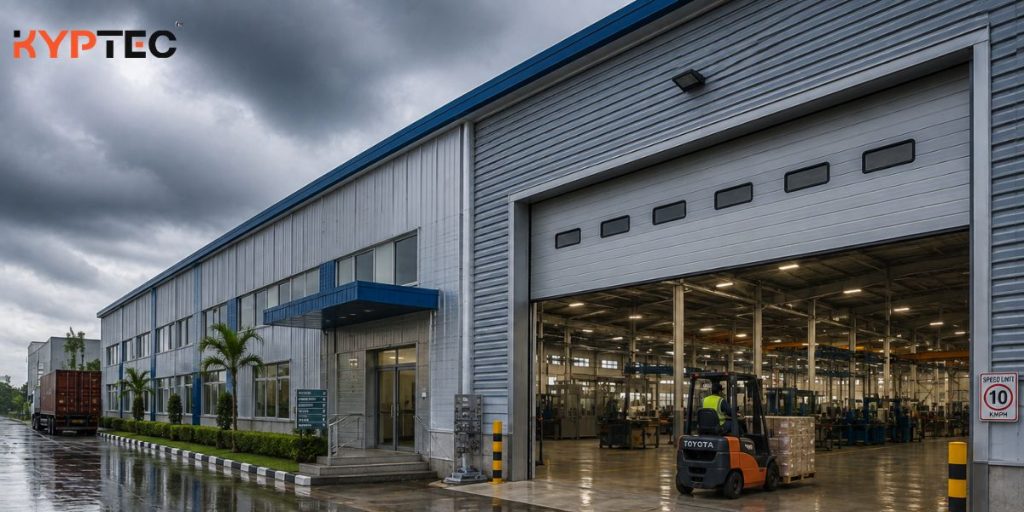
Industrial doors are built to handle daily use in factories, warehouses, cold storage units, and commercial buildings. They help businesses run smoothly by allowing people, vehicles, and goods to move safely in and out.
But many businesses forget one important thing – weather.
Hot summers, heavy rain, strong winds, and dust can all affect how an industrial door works. If the weather is not considered while choosing or maintaining a door, it may lead to frequent repairs, higher energy bills, and unexpected downtime.
Let’s understand how different weather conditions can affect industrial doors and what businesses can do to keep them working efficiently.
Why Weather Should Never Be Ignored
Industrial doors stay exposed to outdoor conditions every day. Unlike office or home doors, they face direct sunlight, rain, dust, and changing temperatures throughout the year.
Over time, these weather conditions can affect the door’s performance if it is not designed for the environment.
Choosing the right industrial door and maintaining it regularly helps reduce repair costs and keeps daily operations running without interruptions.
Hot Summer Days Can Make Doors Work Harder
During summer, industrial doors remain under the sun for long hours. The constant heat can slowly affect rubber seals and other door components.
Every time the door opens, hot air enters the building. In warehouses, factories, and cold storage facilities, this makes cooling systems work harder to maintain the required temperature.
For businesses that open and close their doors many times a day, High-Speed Doors are a smart choice. They open and close quickly, which helps reduce the amount of hot air entering the building. This helps maintain a comfortable indoor temperature and can also improve energy efficiency.
Heavy Rain Can Create Hidden Problems
Rain may look harmless, but it can cause several problems if industrial doors are not maintained properly.
Water can collect around the bottom of the door or enter the tracks and moving parts. If this continues for a long time, it may lead to rust or make the door harder to operate.
Good weather seals and regular cleaning help protect industrial doors during the rainy season.
It is also a good idea to inspect the door after heavy rainfall to make sure everything is working properly.
Strong Winds Can Affect Safety and Performance
Industrial buildings located in open areas often experience strong winds.
When a door is exposed to high wind pressure, it may shake while opening or closing. Over time, this can put extra pressure on the tracks and other moving parts.
If the door is already damaged or not maintained properly, strong winds can make the problem even worse.
Choosing a strong and well-designed industrial door helps improve safety and ensures smooth operation even during bad weather.
Dust and Dirt Can Slow Down Daily Operations
Dust is common in factories, warehouses, construction sites, and manufacturing units.
Small dust particles slowly collect inside the tracks, rollers, and moving parts of industrial doors. As more dust builds up, the door may not move as smoothly as before.
Ignoring this problem can increase wear and tear and lead to unnecessary repairs.
Cleaning the door regularly is one of the easiest ways to keep it working properly.
Small Gaps Can Lead to Bigger Energy Bills
Many business owners don’t realize that weather can also increase electricity costs.
If an industrial door has damaged seals or small gaps, outside air can easily enter the building.
During summer, hot air enters the facility and makes air conditioners work harder. In cold storage facilities, cool air escapes every time the door opens for too long.
This results in higher energy consumption and increased operating costs.
A properly fitted industrial door with good sealing helps maintain indoor temperature and improve energy efficiency.
Regular Maintenance Makes a Big Difference
Weather-related problems do not appear overnight. Most of them develop slowly and become serious only when regular maintenance is ignored.
A simple maintenance routine can help industrial doors perform better in every season.
Here are a few easy maintenance tips:
- Clean the tracks and rollers regularly.
- Check rubber seals for cracks or damage.
- Remove dust and dirt from moving parts.
- Look for signs of rust after the rainy season.
- Lubricate moving parts when required.
- Schedule professional servicing at regular intervals.
These simple steps can increase the life of an industrial door and reduce unexpected repair costs.
Choose the Right Door for Your Environment
Every business works in different conditions.
A food processing unit, warehouse, pharmaceutical plant, manufacturing factory, and cold storage facility all have different requirements.
Before selecting an industrial door, think about:
- The weather in your area
- How often the door will be used
- Whether temperature control is important
- Exposure to rain, wind, or dust
- Future maintenance requirements
If your business needs a reliable entrance solution for warehouses or manufacturing units, Sectional Overhead Doors are a practical option. They offer smooth operation, help protect the building from changing weather conditions, and are suitable for many industrial applications.
Final Thoughts
Weather has a bigger impact on industrial doors than many businesses expect. Heat, rain, wind, dust, and humidity can all affect how well a door performs over time. Paying attention to these conditions and carrying out regular maintenance can help prevent costly repairs, improve energy efficiency, and keep daily operations running smoothly.
At KYPTEC, we understand that every industry operates in different weather conditions. That’s why we offer reliable entrance automation solutions, including high-speed doors, rolling shutters, sectional overhead doors, automatic gates, and loading bay solutions. Our products are designed to deliver smooth performance, durability, and long-term reliability, helping businesses choose the right entrance solution for their working environment.